

As you step into the enchanting world of Fushimi Inari Shrine, you are immediately enveloped by the vibrant hues of vermilion torii gates that stretch endlessly into the forested mountainside. This iconic shrine, dedicated to Inari, the Shinto god of rice, is a place where spirituality and nature intertwine. You can feel the energy of the thousands of visitors who have walked this path before you, each one leaving their mark in the form of inscriptions on the gates.
As you ascend the trails, take a moment to pause and appreciate the serene atmosphere that surrounds you. The rustling leaves and distant sounds of nature create a peaceful backdrop, allowing you to reflect on your journey. The hike to the summit of Mount Inari is not just a physical challenge; it is also a spiritual pilgrimage.
Each torii gate represents a donation made by individuals or businesses, and as you walk through them, you can’t help but feel a connection to the hopes and dreams of those who came before you. The higher you climb, the more breathtaking the views become, offering a panoramic vista of Kyoto that is simply unforgettable. You may find yourself captivated by the intricate details of the shrine’s architecture and the small shrines scattered along the way, each telling its own story.
This experience is not just about reaching the top; it’s about immersing yourself in a rich tapestry of culture and history.
Wander through the Arashiyama Bamboo Grove
As you enter the Arashiyama Bamboo Grove, you are transported into a realm that feels almost otherworldly. The towering bamboo stalks sway gently in the breeze, creating a soothing rustle that calms your mind and spirit. Walking along the winding paths, you can’t help but marvel at the sheer height and density of the bamboo, which seems to stretch endlessly towards the sky.
The dappled sunlight filtering through the leaves casts a magical glow on your surroundings, making every step feel like a scene from a dream. The experience is not just visual; it engages all your senses. You can feel the coolness of the air as it flows through the grove, carrying with it the earthy scent of damp soil and greenery.
As you stroll deeper into this natural wonder, take a moment to listen closely. The soft sounds of nature—birds chirping, leaves rustling—create a symphony that enhances your connection to this tranquil environment. You may also encounter local artisans and vendors selling handmade crafts, allowing you to take a piece of this enchanting place home with you.
The Arashiyama Bamboo Grove is more than just a destination; it’s an invitation to slow down and appreciate the beauty that surrounds you.
Visit the Kinkaku-ji Temple (Golden Pavilion)
Visiting Kinkaku-ji, or the Golden Pavilion, is like stepping into a postcard-perfect scene that captures the essence of Kyoto’s beauty. As you approach this stunning Zen Buddhist temple, its shimmering gold leaf exterior reflects beautifully in the surrounding pond, creating a breathtaking image that is hard to forget. You can’t help but be drawn to its elegance and tranquility, which seem to transcend time itself.
The meticulously landscaped gardens that frame the temple enhance its beauty, inviting you to explore every corner. As you wander around Kinkaku-ji, take your time to absorb its historical significance. Originally built in 1397 as a retirement villa for shogun Ashikaga Yoshimitsu, this architectural marvel has been transformed into a temple that embodies peace and harmony.
You may find yourself captivated by the intricate details of its design, from the carefully placed stones in the garden to the serene koi fish swimming in the pond. Each element has been thoughtfully curated to create an atmosphere of serenity and reflection. As you sit on one of the benches overlooking the pond, allow yourself to be enveloped by the stillness and beauty of this sacred space.
Take a stroll through the Gion District
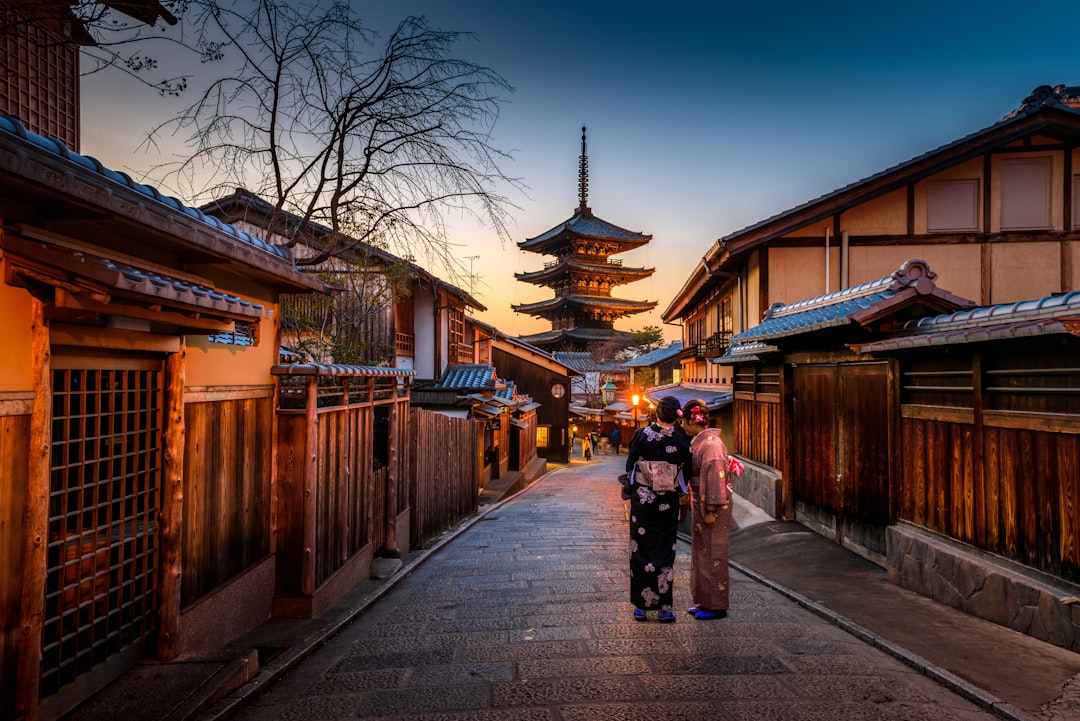
As you meander through the historic streets of Gion, Kyoto’s famous geisha district, you are transported back in time to an era where tradition reigns supreme. The wooden machiya houses lining the streets exude charm and character, their facades adorned with delicate lanterns that illuminate your path as dusk falls. You may catch glimpses of geiko (geisha) and maiko (apprentice geisha) gracefully moving between tea houses, their colorful kimonos adding vibrancy to this already picturesque setting.
Wandering through Gion is not just about observing; it’s about immersing yourself in a culture that values artistry and tradition. You might choose to stop at one of the many tea houses for a moment of respite, sipping on matcha while watching skilled artisans at work. The air is filled with an intoxicating blend of aromas—sweet treats being prepared and fragrant teas brewing—creating an atmosphere that feels both lively and serene.
As night falls, Gion transforms into a magical landscape where lanterns flicker softly, inviting you to explore its hidden corners and discover stories waiting to be told.
Experience a traditional tea ceremony
Participating in a traditional Japanese tea ceremony is an experience that transcends mere consumption; it is an art form steeped in history and philosophy. As you enter the tea room, you are greeted by an atmosphere of calm and simplicity. The meticulous arrangement of utensils and decorations reflects a deep respect for nature and harmony.
You may find yourself captivated by the graceful movements of your host as they prepare matcha tea with precision and care. During this intimate ceremony, every action is imbued with meaning—from the way tea is whisked to how it is served. You are encouraged to engage fully in the moment, appreciating not only the flavors but also the aesthetics surrounding you.
As you sip your tea, take note of its rich taste and vibrant color while reflecting on the principles of mindfulness that underpin this ritual. This experience allows you to connect with Japanese culture on a profound level, fostering an appreciation for simplicity and beauty in everyday life.
Discover the beauty of the Kiyomizu-dera Temple
Kiyomizu-dera Temple stands as one of Kyoto’s most iconic landmarks, perched high on a hillside overlooking the city. As you approach this UNESCO World Heritage site, you are greeted by stunning views that stretch across Kyoto’s landscape. The temple’s wooden stage juts out over the hillside, offering breathtaking panoramas that change with each season—cherry blossoms in spring, lush greenery in summer, vibrant foliage in autumn, and serene snowscapes in winter.
Inside Kiyomizu-dera, you can explore various halls and shrines dedicated to Kannon, the goddess of mercy. The atmosphere is imbued with spirituality as visitors light incense and offer prayers for health and happiness. You may find yourself drawn to the Otowa Waterfall at the base of the temple, where visitors drink from three streams believed to grant different wishes—love, success, or longevity.
As you stand there contemplating your own desires, take a moment to appreciate how this sacred site has been a place of pilgrimage for centuries, connecting people across time through shared hopes and dreams.
Enjoy a scenic boat ride along the Hozu River
Embarking on a boat ride along the Hozu River offers a unique perspective on Kyoto’s natural beauty that is often overlooked from land. As you glide along the gentle currents, surrounded by lush greenery and towering cliffs, you can feel your worries melt away with each passing moment. The river winds through picturesque landscapes dotted with cherry blossoms in spring and vibrant foliage in autumn, creating an ever-changing backdrop that captivates your senses.
The boat ride is not just about relaxation; it’s also an opportunity to connect with nature and history. Your boatman may share stories about the river’s significance in Japanese culture or point out historical landmarks along the way. You might even spot local wildlife—herons gliding gracefully above or fish darting beneath the surface—adding to the richness of your experience.
As you soak in the tranquility of this scenic journey, allow yourself to be fully present in this moment of serenity amidst nature’s splendor.
Sample Kyoto's famous kaiseki cuisine
Indulging in kaiseki cuisine is more than just a meal; it’s an exquisite culinary journey that showcases Kyoto’s rich culinary heritage. As you sit down at a beautifully arranged table adorned with seasonal ingredients, each dish tells a story—a reflection of nature’s bounty and artistry in presentation. You may find yourself savoring delicate flavors that harmonize perfectly with one another while appreciating how each course is thoughtfully crafted to engage all your senses.
The experience begins with small appetizers known as “sakizuke,” followed by various courses featuring fresh vegetables, fish, and meats prepared using traditional techniques. Each dish is presented with meticulous attention to detail—colorful garnishes and elegant tableware enhance your dining experience while paying homage to seasonal aesthetics. As you enjoy each bite, take time to reflect on how kaiseki embodies Japanese philosophy—emphasizing balance, harmony, and respect for ingredients sourced from local producers.
This culinary adventure allows you not only to taste but also to appreciate Kyoto’s cultural richness through its food.
Attend a traditional Japanese cultural performance
Attending a traditional Japanese cultural performance offers an immersive glimpse into Japan’s artistic heritage that transcends generations. Whether it’s a mesmerizing kabuki show or an elegant koto concert, each performance invites you into a world where storytelling comes alive through movement and music. As you settle into your seat, anticipation fills the air; you are about to witness centuries-old traditions unfold before your eyes.
The performers’ dedication shines through their artistry as they embody characters steeped in history and emotion. You may find yourself captivated by their intricate costumes adorned with vibrant colors and patterns that tell stories of their own. The rhythmic sounds of traditional instruments resonate throughout the venue, creating an atmosphere charged with energy and passion.
This experience allows you not only to appreciate Japan’s rich cultural tapestry but also to connect with its people on a deeper level—understanding their values, beliefs, and artistic expressions.
Discover the historic Nijo Castle
Nijo Castle stands as a testament to Japan’s feudal past—a magnificent structure that once served as a residence for shoguns during their visits to Kyoto. As you walk through its imposing gates, you are greeted by beautifully landscaped gardens that invite exploration at every turn. The castle’s architecture reflects both strength and elegance; its wooden beams and sliding doors tell stories of power while exuding warmth.
Inside Nijo Castle, take time to admire its stunning interiors adorned with intricate paintings depicting nature scenes and historical events. The “nightingale floors,” designed to chirp when walked upon as a security measure against intruders, add an element of intrigue to your visit. As you wander through various rooms filled with artifacts from Japan’s past, allow yourself to imagine what life was like during this era—a time when samurai warriors roamed these halls and political decisions shaped history.
Take a day trip to the nearby city of Nara
A day trip to Nara offers an opportunity to explore another facet of Japan’s rich cultural heritage just a short distance from Kyoto. As you arrive in this historic city known for its ancient temples and friendly deer roaming freely throughout Nara Park, you can feel excitement bubbling within you. Nara was once Japan’s capital before Kyoto took its place; thus it holds significant historical importance.
Visiting Todai-ji Temple is a must during your trip—a UNESCO World Heritage site housing one of Japan’s largest bronze Buddha statues (Daibutsu). Standing before this colossal figure evokes awe as you contemplate its significance within Buddhism’s teachings on compassion and enlightenment. Afterward, take leisurely strolls through Nara Park where friendly deer approach curiously; feeding them becomes an unforgettable interaction that connects you with nature while embracing local customs.
In conclusion, your journey through Kyoto offers an array of experiences that celebrate both nature's beauty and Japan's rich cultural heritage—from exploring sacred shrines like Fushimi Inari Shrine to indulging in exquisite kaiseki cuisine or witnessing captivating performances steeped in tradition—each moment invites reflection on life’s simple pleasures while deepening your appreciation for this remarkable destination.