
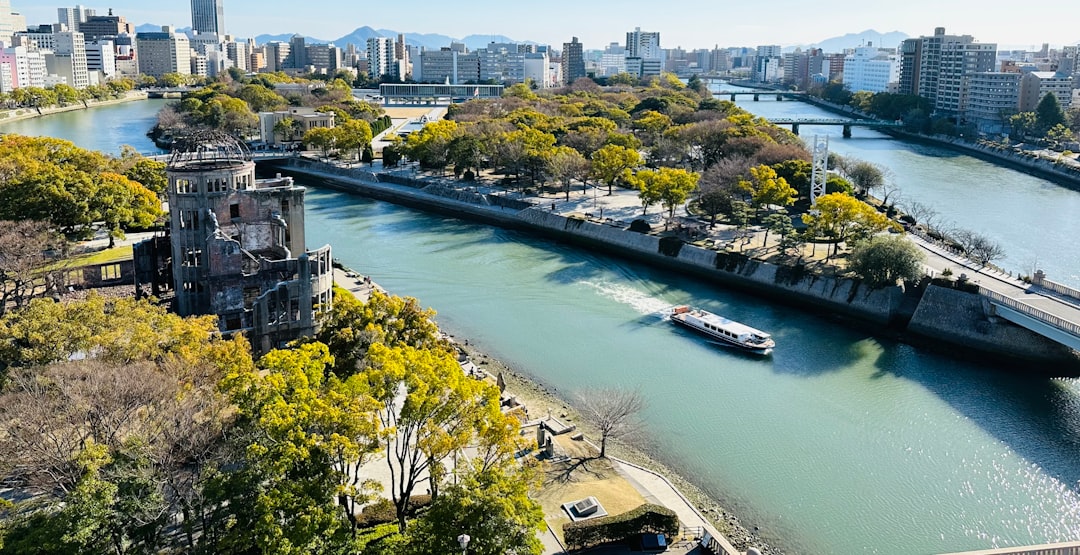

When you step into the Hiroshima Peace Memorial Park, you are immediately enveloped by a profound sense of history and reflection. This park, dedicated to the victims of the atomic bombing in 1945, serves as a poignant reminder of the horrors of war and the enduring hope for peace. As you walk along the pathways lined with cherry blossom trees, you can’t help but feel a deep connection to the past.
The park is home to several memorials, including the iconic A-Bomb Dome, which stands as a haunting silhouette against the skyline. You may find yourself pausing to contemplate the resilience of humanity in the face of unimaginable tragedy. As you explore further, you will encounter the various monuments and sculptures that commemorate the lives lost and the spirit of those who survived.
The Children’s Peace Monument, adorned with colorful origami cranes, is particularly moving. It symbolizes the innocence of youth and the universal desire for peace. You might take a moment to reflect on your own hopes for a world free from conflict.
The park is not just a place of remembrance; it is also a space for contemplation and healing, inviting visitors to engage with its message of peace and reconciliation.
Explore the Hiroshima Castle
Next on your journey is Hiroshima Castle, a stunning example of Japanese architecture that offers a glimpse into the region's feudal past. As you approach the castle, its majestic structure rises before you, surrounded by serene moats and lush greenery. The original castle was built in the 16th century, but like much of Hiroshima, it was destroyed during the atomic bombing.
The current reconstruction, completed in 1958, serves as a testament to the city’s resilience and commitment to preserving its history. Inside the castle, you will find a museum that showcases artifacts from the Edo period, including samurai armor and traditional weapons. As you wander through the exhibits, you may feel transported back in time, gaining insight into the lives of those who once inhabited this grand fortress.
Climbing to the top of the castle tower rewards you with breathtaking panoramic views of Hiroshima and its surroundings. From this vantage point, you can appreciate how far the city has come since its darkest days and reflect on its vibrant culture and history.
Take a stroll through Shukkeien Garden
A visit to Shukkeien Garden offers a tranquil escape from the bustling city streets. This beautifully landscaped garden, originally designed in 1620, embodies the principles of traditional Japanese aesthetics. As you enter, you are greeted by meticulously arranged ponds, winding paths, and carefully pruned trees that create a harmonious balance with nature.
You might find yourself captivated by the serene atmosphere, where every element seems to invite contemplation and relaxation. As you meander through the garden, take note of the various seasonal blooms that paint the landscape with vibrant colors. Each season brings its own unique charm, from cherry blossoms in spring to vibrant autumn leaves.
You may choose to sit by one of the ponds and watch koi fish glide gracefully beneath the surface, or perhaps enjoy a moment of quiet reflection on one of the many benches scattered throughout the garden. Shukkeien is not just a garden; it is a sanctuary that encourages you to slow down and appreciate the beauty of nature.
Learn about the atomic bombing at the Hiroshima Peace Memorial Museum
The Hiroshima Peace Memorial Museum is an essential stop for anyone seeking to understand the impact of the atomic bombing on this resilient city. As you enter the museum, you are greeted by powerful exhibits that tell the story of that fateful day in August 1945. The displays include photographs, personal artifacts, and survivor testimonies that vividly illustrate the devastation wrought by the bomb.
You may find yourself moved by the stories of those who lived through this harrowing experience, gaining a deeper appreciation for their strength and resilience. The museum also emphasizes the importance of peace and disarmament, encouraging visitors to reflect on their role in promoting a more peaceful world. As you navigate through the various sections, you will encounter interactive displays that challenge you to think critically about war and its consequences.
The museum serves not only as a memorial but also as an educational resource that inspires future generations to advocate for peace. By immersing yourself in this experience, you contribute to a collective understanding of history and a commitment to preventing such tragedies from occurring again.
Enjoy a traditional Japanese tea ceremony
After absorbing the weighty history of Hiroshima, you might find solace in participating in a traditional Japanese tea ceremony. This ritualistic practice is steeped in centuries-old customs that emphasize mindfulness and appreciation for simplicity. As you enter the tea room, you are welcomed into an atmosphere of tranquility where every detail is carefully considered—from the arrangement of utensils to the choice of tea leaves.
You may feel a sense of calm wash over you as you prepare to engage in this time-honored tradition. During the ceremony, you will learn about the meticulous process of preparing matcha tea and how it is served with grace and precision. Each movement is deliberate, reflecting a deep respect for both nature and art.
As you sip your tea, take a moment to savor its rich flavor while contemplating its significance within Japanese culture. This experience not only allows you to enjoy a delicious beverage but also invites you to connect with centuries of tradition and philosophy that celebrate harmony and respect.
Try Hiroshima-style okonomiyaki
No visit to Hiroshima would be complete without indulging in its culinary specialty: Hiroshima-style okonomiyaki. This savory pancake is a delightful fusion of flavors and textures that reflects the city’s unique culinary heritage. As you enter one of the many okonomiyaki restaurants, your senses will be tantalized by the sizzling sounds and enticing aromas wafting from the griddles.
You may choose to sit at a counter where skilled chefs prepare your meal right before your eyes, adding layers of ingredients that create a mouthwatering masterpiece. The preparation process is an experience in itself; layers of cabbage, noodles, meat, and seafood are skillfully stacked before being topped with a rich sauce and bonito flakes that dance with heat. As you take your first bite, you'll discover a delightful combination of flavors that perfectly encapsulates Hiroshima’s spirit—bold yet comforting.
Sharing this meal with friends or family adds to its enjoyment, as okonomiyaki is often served as a communal dish meant to be savored together.
Take a ferry to Miyajima Island and see the famous floating torii gate
A short ferry ride from Hiroshima takes you to Miyajima Island, home to one of Japan’s most iconic landmarks: the floating torii gate at Itsukushima Shrine. As you approach the island, your excitement builds at the sight of this majestic structure rising from the water during high tide. The torii gate symbolizes Japan’s connection between land and sea, and standing before it evokes a sense of wonder at its beauty and significance.
Once on Miyajima Island, take your time exploring its lush landscapes and charming streets lined with traditional shops selling local delicacies like momiji manju (maple leaf-shaped cakes). You might choose to hike up Mount Misen for breathtaking views or simply stroll along the waterfront while soaking in the serene atmosphere. The island’s natural beauty combined with its cultural heritage creates an unforgettable experience that allows you to connect with Japan’s spiritual essence.
Visit the Hiroshima City Museum of Contemporary Art
For those who appreciate modern art, a visit to the Hiroshima City Museum of Contemporary Art is essential. This museum showcases an impressive collection of contemporary works from both Japanese and international artists. As you wander through its galleries, you'll encounter thought-provoking pieces that challenge perceptions and provoke dialogue about society and culture.
The museum’s architecture itself is striking, blending seamlessly with its surroundings while providing an inviting space for creativity. You may find yourself captivated by various exhibitions that change regularly, offering fresh perspectives on contemporary issues through artistic expression. Engaging with these works can inspire reflection on your own experiences and beliefs while fostering an appreciation for diverse artistic voices.
The museum not only serves as a platform for artists but also as a space for visitors like yourself to explore new ideas and engage with art in meaningful ways.
Take a walk along the Motoyasu River
A leisurely walk along the Motoyasu River provides an opportunity to unwind while enjoying picturesque views of Hiroshima’s skyline and surrounding landscapes. The riverbanks are lined with cherry blossom trees that bloom beautifully in spring, creating a stunning backdrop for your stroll. As you walk along this tranquil path, take in the sights and sounds around you—the gentle lapping of water against the shore and birds chirping overhead create an atmosphere conducive to reflection.
You might choose to stop at one of the many benches along the riverbank to rest and soak in your surroundings. Watching boats glide by or observing locals enjoying their day can provide insight into daily life in Hiroshima. This peaceful setting allows you to connect with nature while contemplating your experiences throughout your visit—an ideal way to reflect on both history and hope.
Explore the Hiroshima Orizuru Tower
The Hiroshima Orizuru Tower offers another unique perspective on this resilient city. Standing tall near the Peace Memorial Park, this modern structure features an observation deck that provides stunning views over Hiroshima’s landscape. As you ascend to the top floor, anticipation builds as you prepare to witness breathtaking panoramas that stretch across both urban areas and natural beauty.
One highlight of your visit may be participating in an origami crane-making activity at Orizuru Tower—a symbol of peace and hope in Japanese culture. After crafting your crane, you can join others in sending them off into designated areas within the tower or even attaching them to special walls dedicated to peace messages. This interactive experience allows you not only to engage creatively but also to contribute your own wishes for peace alongside those from visitors around the world.
Attend the Hiroshima Flower Festival in May
If your visit coincides with May, attending the Hiroshima Flower Festival is an absolute must! This vibrant celebration transforms downtown Hiroshima into a colorful spectacle filled with flowers, music, dance performances, and cultural activities. As you wander through flower-filled streets adorned with elaborate displays, you'll be captivated by bursts of color that celebrate springtime's arrival.
The festival features various events showcasing local talent—from traditional performances to contemporary music acts—creating an atmosphere brimming with energy and joy. You might find yourself joining locals in dance or sampling delicious street food from vendors lining the festival route. Engaging with this lively community event allows you not only to appreciate nature's beauty but also fosters connections with residents who share their love for their city through celebration.
In conclusion, your journey through Hiroshima offers an enriching blend of history, culture, nature, and culinary delights that leave lasting impressions long after you've returned home. Each experience invites reflection on resilience while celebrating life’s beauty—reminding us all that even amidst tragedy lies hope for peace and renewal.