
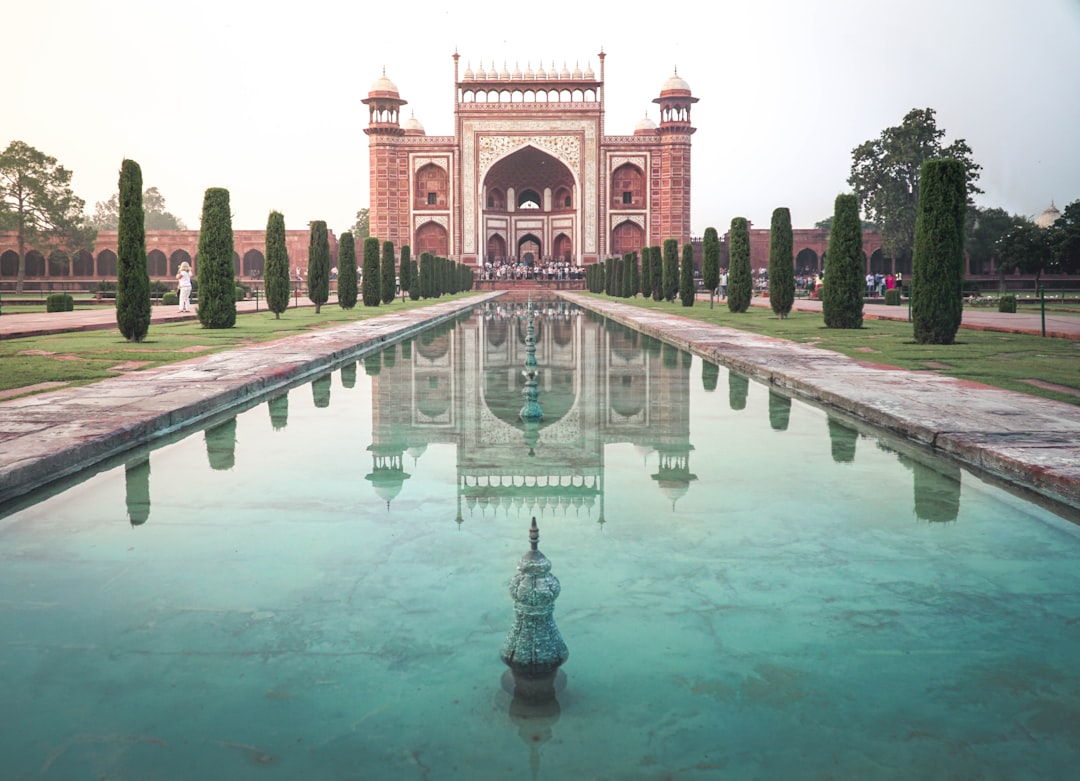

When you step into the enchanting world of Agra, the first destination that beckons you is undoubtedly the Taj Mahal. This iconic mausoleum, a UNESCO World Heritage Site, stands as a testament to love and architectural brilliance. As you approach the grand entrance, the sight of the white marble dome shimmering in the sunlight is nothing short of breathtaking.
You can feel the anticipation building as you walk through the lush gardens, each step bringing you closer to one of the most photographed monuments in the world. The intricate carvings and inlaid gemstones that adorn the Taj Mahal's surface tell stories of a bygone era, inviting you to explore its rich history. Once you enter the main mausoleum, you are greeted by the serene atmosphere that envelops this sacred space.
The cool marble underfoot contrasts with the warmth of the sun outside, creating a tranquil environment perfect for reflection. As you gaze upon the tomb of Mumtaz Mahal, you can almost hear the whispers of Shah Jahan's undying love for his wife. The symmetry and precision of the architecture are awe-inspiring, and you may find yourself lost in thought, contemplating the lengths to which one man went to honor his beloved.
The Taj Mahal is not just a monument; it is an experience that resonates deeply within your soul.
Key Takeaways
- The Taj Mahal is a breathtaking monument that should not be missed when visiting Agra.
- Agra Fort offers a rich history and stunning architecture, making it a must-see attraction in the city.
- Mehtab Bagh provides a peaceful and picturesque setting to view the Taj Mahal from across the Yamuna River.
- Itmad-ud-Daulah's Tomb is a hidden gem with intricate marble carvings and beautiful gardens.
- A walk along the Yamuna River offers a serene escape from the bustling city and a different perspective of Agra's landmarks.
Explore Agra Fort
After soaking in the beauty of the Taj Mahal, your next stop should be Agra Fort, another UNESCO World Heritage Site that offers a glimpse into India's rich Mughal history. As you approach this massive red sandstone fortress, you can’t help but admire its imposing structure and intricate design. The fort's walls are adorned with beautiful carvings and inlays, showcasing the artistry of the Mughal era.
Walking through its grand gates, you are transported back in time, imagining the lives of emperors and their courts that once thrived within these walls. Inside Agra Fort, you can explore a series of palaces, gardens, and mosques that reflect the grandeur of Mughal architecture. The Diwan-i-Am (Hall of Public Audience) and Diwan-i-Khas (Hall of Private Audience) are particularly noteworthy, as they provide insight into how emperors conducted their affairs.
As you wander through the fort's corridors, take a moment to appreciate the stunning views of the Taj Mahal from various vantage points. The juxtaposition of these two magnificent structures is a sight to behold, reminding you of the deep connection between love and power in Mughal history.
Wander around Mehtab Bagh
After your exploration of Agra Fort, take some time to unwind at Mehtab Bagh, a beautiful garden located directly across the Yamuna River from the Taj Mahal. This serene oasis offers a unique perspective of the monument, framed by lush greenery and vibrant flowers. As you stroll through the meticulously manicured pathways, you can feel a sense of peace wash over you.
The garden is an ideal spot for photography enthusiasts, as it provides an unobstructed view of the Taj Mahal against a backdrop of nature's beauty. Mehtab Bagh is not just about stunning views; it also holds historical significance. Originally designed as a moonlight garden for Emperor Shah Jahan, it was meant to be a place where he could admire his beloved Taj Mahal at night.
As you sit on one of the benches and gaze at the reflection of the monument in the river, you can almost sense the romantic atmosphere that once enveloped this space. Whether you're enjoying a quiet moment of contemplation or capturing memories through your camera lens, Mehtab Bagh is a must-visit destination that enhances your experience in Agra.
Discover the beauty of Itmad-ud-Daulah's Tomb
Your journey through Agra would be incomplete without visiting Itmad-ud-Daulah's Tomb, often referred to as the "Baby Taj." This exquisite mausoleum is a hidden gem that showcases intricate craftsmanship and stunning architecture. As you approach the tomb, you'll notice its delicate marble inlay work and intricate lattice screens that create a play of light and shadow within its walls. The beauty of this structure lies not only in its design but also in its historical significance as it was built by Nur Jahan in memory of her father.
Inside Itmad-ud-Daulah's Tomb, you can marvel at the detailed carvings and floral motifs that adorn every surface. The serene atmosphere invites you to take your time as you explore each corner of this architectural masterpiece. Unlike the bustling crowds at the Taj Mahal, this site offers a more intimate experience where you can appreciate the artistry without distraction.
As you stand before the tomb itself, reflecting on the love and devotion that inspired its creation, you'll understand why Itmad-ud-Daulah's Tomb is often considered a precursor to the Taj Mahal.
Take a walk along the Yamuna River
To truly immerse yourself in Agra's natural beauty, consider taking a leisurely walk along the banks of the Yamuna River. This picturesque setting provides a different perspective on some of Agra's most famous landmarks while allowing you to connect with nature. As you stroll along the riverbank, you'll be greeted by gentle breezes and soothing sounds of water flowing nearby.
The sight of local fishermen casting their nets or families enjoying picnics adds to the charm of this serene environment. Walking along the Yamuna River also offers an opportunity for reflection and contemplation. You can pause to watch as the sun sets behind the Taj Mahal, casting a golden hue over its marble façade.
This magical moment is perfect for capturing photographs or simply soaking in the beauty around you. Whether you're seeking solitude or looking to connect with fellow travelers, a walk along the Yamuna River is an experience that will leave lasting memories.
Shop for souvenirs at Sadar Bazaar
No trip to Agra would be complete without indulging in some retail therapy at Sadar Bazaar. This bustling market is a treasure trove of local handicrafts, textiles, and souvenirs that reflect Agra's rich cultural heritage. As you navigate through narrow lanes filled with vibrant stalls, you'll be captivated by colorful displays of traditional clothing, intricate jewelry, and hand-painted pottery.
The lively atmosphere is infectious, making it easy to lose track of time as you explore. As you shop for souvenirs, don't hesitate to engage with local artisans who are often eager to share their stories and craftsmanship techniques. You might even find unique items like marble inlay work inspired by the Taj Mahal itself or beautiful carpets woven by skilled hands.
Bargaining is part of the experience here, so embrace it as an opportunity to connect with vendors while securing great deals on your purchases. Sadar Bazaar is not just a shopping destination; it's an immersive cultural experience that allows you to take a piece of Agra home with you.
Enjoy a traditional Mughlai meal at a local restaurant
After a day filled with exploration and shopping, treat yourself to a traditional Mughlai meal at one of Agra's renowned local restaurants. Mughlai cuisine is known for its rich flavors and aromatic spices, making it a culinary delight that reflects India's royal heritage. As you enter a restaurant adorned with elegant decor reminiscent of Mughal palaces, you'll be greeted by warm hospitality that sets the tone for an unforgettable dining experience.
Indulge in classic dishes such as biryani, kebabs, and rich curries that are sure to tantalize your taste buds. Each dish tells a story of culinary traditions passed down through generations, showcasing ingredients sourced from local markets. Pair your meal with freshly baked naan or fragrant rice for a complete experience.
Don't forget to save room for dessert; traditional sweets like jalebi or gulab jamun are perfect for satisfying your sweet tooth after a hearty meal. Dining on Mughlai cuisine is not just about food; it's about savoring flavors that have been perfected over centuries.
Marvel at the architecture of Jama Masjid
As your journey through Agra continues, make sure to visit Jama Masjid, one of India's largest mosques known for its stunning architecture and historical significance. Built during the reign of Emperor Shah Jahan, this magnificent structure showcases intricate carvings and expansive courtyards that invite visitors to explore its grandeur. As you approach Jama Masjid, you'll be struck by its impressive red sandstone façade adorned with white marble accents.
Once inside, take a moment to appreciate the serene ambiance that envelops this sacred space. The vast prayer hall can accommodate thousands of worshippers, making it an important religious site for Muslims in Agra. You may find yourself captivated by the intricate calligraphy and geometric patterns that adorn its walls and ceilings—each detail reflecting centuries-old craftsmanship.
Whether you're seeking spiritual solace or simply admiring architectural beauty, Jama Masjid offers an enriching experience that adds depth to your understanding of Agra's cultural heritage.
Learn about the history of Agra at the Agra Heritage Museum
To gain deeper insights into Agra's rich history and cultural heritage, consider visiting the Agra Heritage Museum. This informative museum houses an extensive collection of artifacts, photographs, and exhibits that chronicle Agra's evolution over centuries. As you walk through its galleries, you'll discover fascinating stories about Mughal emperors, local traditions, and significant events that shaped this vibrant city.
The museum's displays provide context for many landmarks you've visited during your trip, enhancing your appreciation for their historical significance. Interactive exhibits allow visitors to engage with history in meaningful ways—whether through multimedia presentations or guided tours led by knowledgeable staff members who are passionate about sharing their expertise. By immersing yourself in Agra's past at this museum, you'll leave with a greater understanding of how its rich heritage continues to influence contemporary culture.
Take a guided tour of Fatehpur Sikri
Just a short drive from Agra lies Fatehpur Sikri—a UNESCO World Heritage Site that was once the capital of Emperor Akbar's empire. Taking a guided tour here is highly recommended as it allows you to delve into its fascinating history while exploring its stunning architecture. As your guide shares stories about Akbar's vision for this city—built in red sandstone—you'll gain insight into his progressive policies and religious tolerance.
Wandering through Fatehpur Sikri’s impressive structures like Buland Darwaza (the Great Gate) and Jama Masjid will leave you awestruck by their grandeur. The intricate carvings and detailed frescoes reflect Mughal artistry at its finest while showcasing Akbar’s commitment to blending different cultural influences within his empire. As you explore this once-thriving city now preserved in time, you'll feel connected to history in ways that will enrich your overall experience in Agra.
Attend a cultural show at Kalakriti Cultural & Convention Center
To round off your visit to Agra on an unforgettable note, consider attending a cultural show at Kalakriti Cultural & Convention Center. This venue hosts performances that celebrate India's diverse artistic heritage through music, dance, and drama—often inspired by historical themes related to Mughal culture or folklore from various regions across India. As you settle into your seat surrounded by fellow travelers eager for entertainment, anticipation fills the air.
The performances are not only visually stunning but also deeply moving—allowing audiences like yourself to connect emotionally with stories told through art forms passed down through generations. From classical dance forms such as Kathak to soulful musical renditions accompanied by traditional instruments—each act transports you further into India’s rich tapestry of culture while leaving lasting impressions long after you've left Agra behind. In conclusion, your journey through Agra offers an array of experiences that blend history, culture, and natural beauty seamlessly together—creating memories that will stay with you long after your visit has ended!
If you're planning a trip to Agra and looking for more travel inspiration, you might find the article "15 Things to Do in Agra" quite insightful. For those interested in exploring beyond Agra, consider checking out this related article on TodoPlaces. This website offers a plethora of travel guides and tips that can enhance your travel experience, whether you're exploring the historical wonders of Agra or venturing into new destinations.